Mouse: P.I. For Hire Proves Style Still Matters
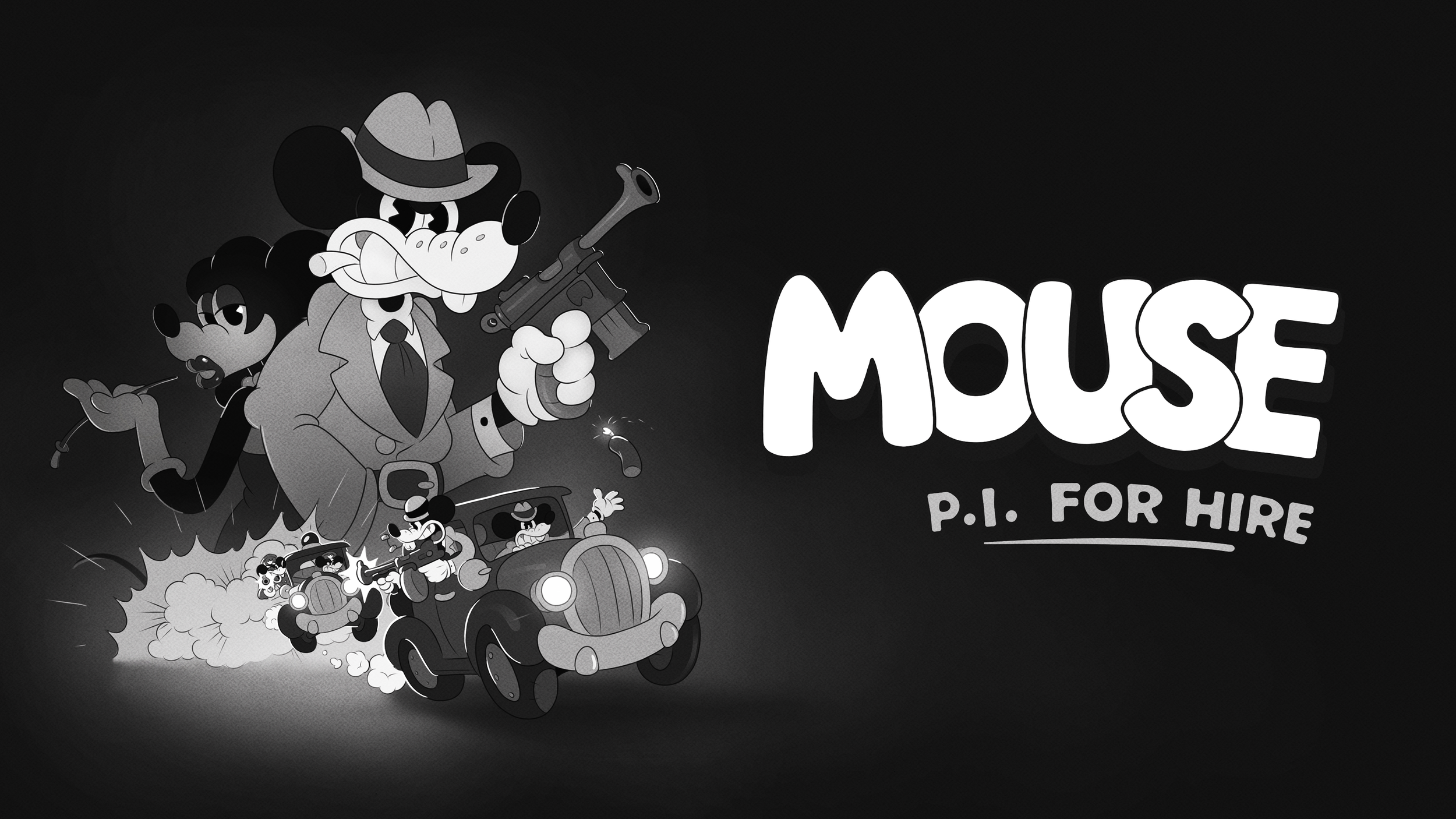
Mouse: P.I. For Hire immediately feels like the kind of game that should not exist in today’s industry climate, which is exactly why it stands out so much. The second the black-and-white visuals hit the screen and the old-school jazz soundtrack starts rolling underneath exaggerated rubber hose animations, it becomes obvious this is not trying to blend in with the endless wave of safe, polished shooters chasing the same trends.
Mouse: P.I. For Hire immediately feels like the kind of game that should not exist in today’s industry climate, which is exactly why it stands out so much. The second the black-and-white visuals hit the screen and the old-school jazz soundtrack starts rolling underneath exaggerated rubber hose animations, it becomes obvious this is not trying to blend in with the endless wave of safe, polished shooters chasing the same trends. It wants to be weird. Stylish. Memorable. And honestly, that commitment alone already makes it more interesting than a lot of bigger-budget games releasing right now.
Playing it on handheld with my ASUS ROG Xbox Ally X especially felt right. There is something about the game’s presentation that almost tricks your brain into feeling like you are carrying around a playable 1930s cartoon serial. The exaggerated animations, elastic enemy movements, oversized reactions, and noir detective framing all come together in a way that feels genuinely refreshing instead of gimmicky. Growing up around reruns of classic cartoons made the visual identity click immediately for me. The game clearly understands the era it is inspired by, but it also knows how to modernize that style into something interactive without losing the charm.
The black-and-white art direction does a lot of heavy lifting, but thankfully the atmosphere goes beyond just visuals. The jazz-heavy soundtrack constantly reinforces the detective vibe, while environmental audio and voice work help sell the illusion that you are walking through some forgotten animated crime world. Every alleyway, office, warehouse, and backstreet encounter feels intentionally designed around that noir aesthetic. Even when levels are fairly straightforward structurally, the atmosphere keeps pulling you forward.
What surprised me most is how well the visual style holds up over time. I originally expected the novelty to wear off after an hour or two, but the game keeps finding little ways to remix its cartoon presentation. Enemy designs, visual gags, environmental interactions, and over-the-top animation sequences keep things lively enough that it rarely starts feeling repetitive visually. That said, there are moments where the monochrome presentation can make certain environments blend together a little too much, especially during longer combat stretches, but it never becomes a major issue.
As an FPS, the game actually feels far more solid than I expected. Weapons have satisfying punch, movement feels responsive, and the combat carries a nice arcade-like rhythm without becoming overly twitchy. The shooting itself is not trying to reinvent the genre mechanically, but it understands pacing well enough to stay engaging. Some weapons lean into exaggerated cartoon absurdity in fun ways, and the game’s animation work helps every encounter feel energetic even when the combat systems themselves remain relatively straightforward.
The detective themes also help separate it from other indie shooters. Exploration matters more than I initially assumed. There are investigation moments, environmental storytelling sections, puzzle-solving beats, and smaller interactive details that help slow the pace down between firefights. It gives the game a personality beyond simply running from arena to arena shooting enemies. Sometimes the investigative mechanics feel a little surface-level, but I appreciate the effort to build an actual noir adventure instead of just using the aesthetic as wallpaper.
Enemy variety is probably where some limitations begin to show. While the animation style keeps encounters visually entertaining, the actual combat scenarios can start repeating themselves after extended sessions. Certain enemy behaviors begin blending together, and the game occasionally relies too heavily on waves of similar encounters rather than introducing meaningful mechanical twists later on. The pacing generally stays strong because levels move quickly, but there are stretches where it feels like the gameplay systems stop evolving before the game itself ends.
Performance-wise, though, I came away genuinely impressed. On handheld, the game feels fantastic. The art style naturally complements smaller screens because the bold visual contrast remains extremely readable even during hectic combat. Controls translated well, frame pacing stayed consistent, and load times remained short enough that the flow of the experience rarely got interrupted. It feels like the kind of game that benefits from being portable, almost like sneaking episodes of an old animated detective series between longer AAA sessions.
On PC and Xbox, the optimization also seems strong overall. The stylized visuals allow the game to look distinctive without demanding absurd hardware requirements, which honestly feels refreshing these days. Stability remained solid throughout my time with it, and I did not run into any major technical issues that pulled me out of the experience. In a gaming landscape where even major releases sometimes launch struggling to maintain stable performance, there is something nice about a creative mid-sized project simply working properly.
What really sticks with me, though, is the personality. So many modern shooters feel terrified of having a distinct identity outside of realism, cinematic storytelling, or live-service hooks. Mouse: P.I. For Hire goes completely in the opposite direction. It embraces absurdity, stylization, humor, and atmosphere without apology. Some moments genuinely made me laugh simply because of how committed the game is to its cartoon logic. There are sequences that feel chaotic in the best way possible, almost like someone blended a noir detective story with a playable animated fever dream.
Not everything lands perfectly. The story itself can feel a little thin at times, and some gameplay systems do not evolve quite enough to fully support the runtime. A few more enemy types, deeper investigation mechanics, or additional environmental interactions could have elevated the experience even further. But honestly, I would rather play an ambitious, creative game with a few rough edges than another technically polished but forgettable shooter chasing trends.
That is ultimately why Mouse: P.I. For Hire feels important in a weird way. Originality still matters. Artistic identity still matters. Smaller creative games can absolutely leave stronger impressions than massive blockbuster releases when they fully commit to a vision.
For players looking for something different, especially fans of noir aesthetics, stylized shooters, or experimental indie projects, this feels like an easy recommendation. It has the energy of a future cult classic and the kind of personality that makes people talk about it long after the credits roll. If it lands on Game Pass eventually, it will probably become one of those games people randomly discover at 1 AM and end up playing for hours.
Score: 8.5/10