
Final Fantasy VII Rebirth Review – Worth the Wait
As an Xbox player finally diving into Final Fantasy VII Rebirth years after its original release, that thought kept crossing my mind throughout the adventure. This is one of those games that you've heard about for years. You've seen the praise, the awards, and the conversations surrounding it. Yet nothing really prepares you for experiencing it yourself.
Sometimes the best gaming experiences are worth waiting for.
As an Xbox player finally diving into Final Fantasy VII Rebirth years after its original release, that thought kept crossing my mind throughout the adventure. This is one of those games that you've heard about for years. You've seen the praise, the awards, and the conversations surrounding it. Yet nothing really prepares you for experiencing it yourself.
Now that Rebirth has finally arrived on Xbox, I completely understand why so many players consider it one of the defining RPGs of this generation.
What impressed me first was the sheer scale of the world. Rebirth feels enormous in a way that many modern open-world games strive for but rarely achieve. Every region feels distinct, with its own visual identity, atmosphere, and sense of discovery. Whether you're exploring sprawling grasslands, bustling settlements, or more exotic locations, the game consistently finds ways to make the journey feel exciting.
The presentation is equally impressive. Years after release, Rebirth remains a beautiful game. Character models are incredibly detailed, environments are packed with life, and the overall art direction helps every area feel memorable. What stood out most to me is how cinematic the experience feels without constantly taking control away from the player. Story moments flow naturally into exploration and gameplay, creating a rhythm that kept me invested for dozens of hours.
Of course, none of that would matter without a cast worth spending time with.
One of Rebirth's greatest strengths is its characters. The relationships between the party members often become just as important as the larger story itself. The conversations, interactions, and quieter moments throughout the journey help build a genuine sense of camaraderie. By the time you've spent hours exploring the world together, these characters begin to feel less like party members and more like traveling companions.
Even much of the optional content contributes to that feeling. Side quests often provide opportunities to learn more about the characters and the world around them. While not every activity is essential, many of them help make the adventure feel richer and more personal.
The gameplay also deserves a great deal of credit.
Rebirth successfully blends real-time action with strategic RPG mechanics in a way that keeps combat engaging throughout its lengthy runtime. Switching between characters, managing abilities, exploiting weaknesses, and coordinating attacks creates encounters that are both exciting and rewarding. Every party member brings something different to the table, encouraging experimentation rather than relying on a single approach.
Outside of combat, the game offers an impressive amount of variety. Exploration, progression systems, mini-games, side activities, and optional challenges ensure that the experience rarely becomes repetitive. There is almost always something new to discover around the next corner.
Xbox Ally X Performance
One of the biggest surprises for me has been how well Rebirth plays on the ASUS Xbox Ally X.
As an Xbox Play Anywhere title, Final Fantasy VII Rebirth feels like a natural fit for the Xbox ecosystem. Being able to move between devices and continue the same adventure without worrying about saves or progress adds a level of convenience that's especially valuable in a game this large. Whether I'm sitting down for a longer session or picking away at side quests in handheld mode, the flexibility has become one of my favorite parts of the experience.
I've spent most of my time playing on the Ally X in handheld mode at 900p resolution using a custom 20-watt profile and the default graphics settings. Under those conditions, the game typically runs between 50 and 60 FPS, which honestly exceeded my expectations for a title of this scale and visual ambition.
Even more impressive is how sharp the image looks on the handheld display. The world remains vibrant, detailed, and visually stunning despite running on a portable device. It's easy to get lost exploring the various regions while forgetting you're playing one of the generation's biggest RPGs on a handheld.
That's not to say the port is perfect. There is still room for additional optimization, particularly during larger open-world sections and some of the more demanding scenes where performance can fluctuate. However, the overall experience is surprisingly smooth and highly playable.
For anyone wondering whether Rebirth works well on the Ally X, the answer is a definite yes. As an Xbox Play Anywhere experience, it's become one of my favorite games to jump between devices with, and that flexibility makes an already great RPG even easier to enjoy.
What Stands Out Most
What stands out most about Final Fantasy VII Rebirth isn't any individual mechanic, character, or visual showcase. It's the sense of adventure that ties everything together.
This feels like a journey in the classic RPG sense of the word. You're not simply moving between objectives. You're traveling through a world, discovering new places, meeting memorable characters, and experiencing a story that constantly pushes you forward. Few modern games capture that feeling as effectively as Rebirth does.
That's ultimately why the game resonates so strongly. It embraces modern production values while still understanding what made classic role-playing games special in the first place. The result is an RPG that feels both contemporary and timeless.
Conclusion
Final Fantasy VII Rebirth isn't perfect. Some activities can occasionally overstay their welcome, and the sheer amount of optional content may feel overwhelming to some players. But those minor issues never overshadow what the game accomplishes.
As an Xbox player experiencing Rebirth for the first time, I finally understand why it earned so much praise when it originally launched. The world is beautiful, the characters are memorable, the combat remains engaging throughout, and the overall sense of adventure is something that feels increasingly rare in modern gaming.
Now that Rebirth has arrived on Xbox, an entirely new audience has the opportunity to experience one of the most celebrated RPGs of this generation. And thanks to Xbox Play Anywhere support, it's easier than ever to take that adventure with you wherever you want to play.
The wait may have been long, but after spending time with Final Fantasy VII Rebirth, it's easy to say it was worth it. This is the kind of RPG that reminds you why the genre became so beloved in the first place, and why so many players consider Rebirth one of the defining gaming experiences of the modern era.
Score: 9.5/10
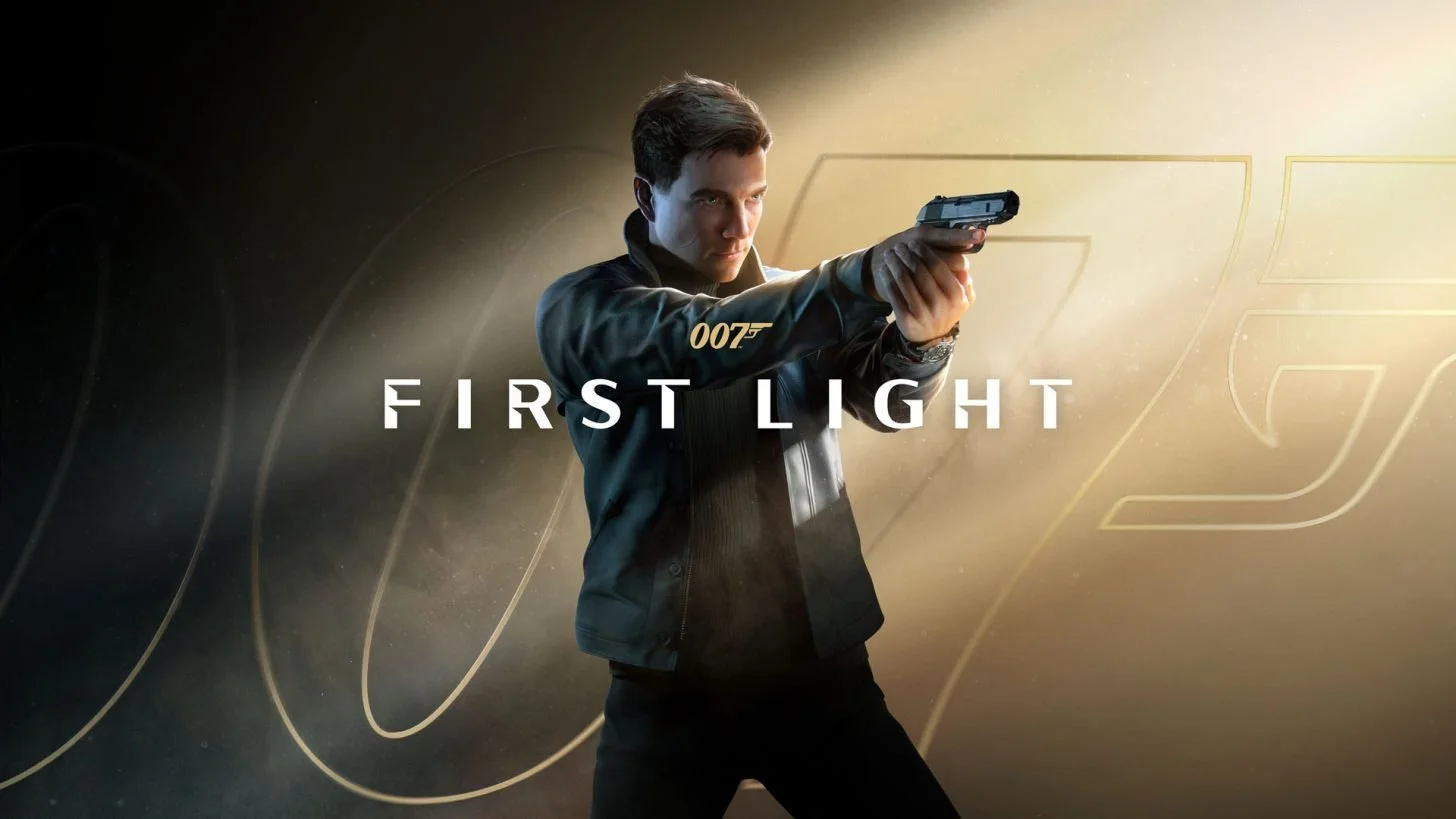
Game Review: 007 First Light Understands What Makes Bond Feel Cinematic
One of the biggest compliments I can give 007 First Light is that it understands James Bond is not just an action character. Bond is atmosphere. Bond is pacing. Bond is tension, confidence, style, music, presentation, and charisma all working together at once.
That realization hit me surprisingly early while playing the game, and it immediately reminded me of the feeling I had while playing Indiana Jones and the Great Circle. Not because the two games play the same way mechanically, but because both titles fully understand the cinematic identity of the franchises they represent.
That matters more than people realize.
A lot of licensed games over the years have focused too heavily on recreating surface-level iconography while missing the actual feeling of the movies. 007 First Light avoids that problem almost entirely. It does not simply place Bond into a generic action game structure. Instead, it builds the entire experience around making the player feel like they are living through a Bond film.
The pacing is probably the strongest example of that philosophy.
Modern AAA gaming often feels obsessed with speed. Games are constantly throwing explosions, objectives, combat encounters, or giant cinematic moments at players because there is a fear that slowing down might lose their attention. 007 First Light takes a much more confident approach. It understands that restraint is one of the key ingredients that makes cinematic storytelling work.
The game is willing to breathe.
There are long stretches where tension comes from atmosphere rather than action. Quiet moments are given room to exist naturally instead of immediately being interrupted by combat. Conversations feel important. Movement through environments feels deliberate. The game trusts players enough to absorb the world, the music, the lighting, and the tone without constantly demanding stimulation every few seconds.
That slower pacing is exactly what makes the larger moments feel impactful later on.
It is the same thing that made Indiana Jones and the Great Circle feel so immersive. Both games understand that movies are built on rhythm. Action scenes only work because quieter scenes exist around them. Suspense only works when tension is allowed to build naturally. 007 First Light captures that cinematic rhythm better than most modern games I have played recently.
The presentation plays a massive role in selling that experience.
Everything from the camera work to the sound design feels intentionally crafted to reinforce the Bond identity. The camera rarely feels purely functional. Conversations are framed with cinematic confidence, environmental shots linger long enough to establish mood, and transitions between gameplay and scripted moments feel smooth instead of jarring.
The result is a game that constantly feels directed rather than simply assembled.
The music deserves enormous credit as well. Bond has always been a franchise where music and atmosphere are inseparable from the experience, and 007 First Light absolutely understands that. The soundtrack constantly supports the emotional tone of scenes without overpowering them. Sometimes it builds suspense quietly in the background. Other times it elevates tension or reinforces the elegance and style that Bond is known for.
It never feels random.
That attention to cinematic detail is what helps the game stand apart from more traditional action-heavy titles. Even during gameplay, there is a noticeable emphasis on immersion over chaos. The game does not feel designed around nonstop explosions or oversized spectacle every few minutes. Instead, it focuses on maintaining tension and atmosphere consistently throughout the experience.
That approach also helps Bond himself feel authentic.
One of the easiest mistakes a Bond game could make would be turning him into a generic super soldier, but 007 First Light avoids that trap. Bond’s presence comes from confidence, intelligence, and control just as much as physical capability. The game understands that his charisma matters as much as the mechanics themselves.
That makes the quieter espionage-focused moments feel just as important as the action sequences.
The stealth systems, investigative elements, environmental exploration, and gadget usage all reinforce the fantasy of being an actual spy instead of simply another heavily armed protagonist. Even when the gameplay opens up more aggressively, there is still an emphasis on style and pacing that keeps the overall tone feeling distinctly Bond.
The environments themselves also contribute heavily to the cinematic immersion. Locations feel handcrafted with mood and storytelling in mind rather than existing purely as gameplay spaces. Lighting, architecture, sound design, and environmental detail constantly reinforce the feeling that you are moving through carefully directed film sets.
Again, this is where I kept thinking about Indiana Jones and the Great Circle.
That game succeeded because it respected the pacing and cinematic structure of Indiana Jones films. 007 First Light succeeds for the same reason. Both games understand that movie franchises are not memorable solely because of action. They are memorable because of tone, atmosphere, personality, and pacing.
That is something modern gaming honestly needs more of.
In an industry increasingly dominated by live-service structures, endless progression systems, and multiplayer retention loops, there is something refreshing about a cinematic single-player experience that is focused entirely on immersion and storytelling. Games like 007 First Light remind me why these experiences still matter so much.
They create memorable moments through atmosphere rather than excess.
They allow players to settle into a world instead of constantly rushing them toward the next reward trigger. They feel authored and deliberate in ways that many modern games no longer prioritize often enough.
More importantly, they prove that licensed games can still feel premium when developers fully commit to understanding the identity of the franchise they are adapting.
By the end of 007 First Light, what stayed with me most was not simply the gameplay itself, but the overall feeling the game created. It captured the cinematic rhythm of Bond in a way very few games manage to accomplish with movie franchises.
Much like Indiana Jones and the Great Circle, it succeeds because it understands that immersion is not just about graphics or realism. It is about pacing, atmosphere, confidence, and trusting the player enough to let the experience unfold naturally.
And honestly, that is exactly the kind of cinematic single-player gaming experience I want to see more of moving forward.
Score: 10/10

Forza Horizon 6 Review – Endless Roads Through Japan
Over the last decade, the franchise has quietly become one of Xbox’s most consistently excellent series, to the point where expectations almost feel unfair. Every new entry has to somehow be bigger, prettier, smoother, more social, more alive, and more addictive than the last while still maintaining the easygoing freedom that made people fall in love with Horizon in the first place.
There’s a weird kind of pressure that comes with a new Horizon game now. Over the last decade, the franchise has quietly become one of Xbox’s most consistently excellent series, to the point where expectations almost feel unfair. Every new entry has to somehow be bigger, prettier, smoother, more social, more alive, and more addictive than the last while still maintaining the easygoing freedom that made people fall in love with Horizon in the first place.
After spending several hours with Forza Horizon 6 during early access, I can honestly say this: Playground Games somehow pulled it off again.
What immediately stood out to me wasn’t just the visuals or the opening showcase event — although both are spectacular — it was the sheer scale and atmosphere of Horizon’s take on Japan. Within the first hour, I already had that dangerous Horizon feeling where you tell yourself you’re going to do “one more race” and suddenly realize two hours disappeared because you spotted a mountain pass, then a drift event, then a hidden road leading into a neon-lit city district somewhere off in the distance.
This map feels enormous. Not fake-big filled with empty roads, but genuinely dense with things to do, discover, and stumble into naturally. There’s constantly something over the next hill pulling your attention away from whatever you originally planned to do. Horizon has always been good at making exploration feel rewarding, but Horizon 6 may be the best the series has ever done it.
And honestly? Playing this on the ASUS ROG Xbox Ally X has been a 10/10 experience for me so far.
There’s something about Horizon that feels perfect on a handheld. You can sit down for twenty minutes and knock out a few races, or accidentally spend an entire evening cruising through the countryside chasing distractions. The Xbox Ally X handles the game beautifully, and Horizon’s structure works incredibly well in portable form because the game constantly rewards curiosity. It becomes dangerously easy to lose track of time.
World & Atmosphere
Japan feels like a natural fit for Horizon.
From tight mountain roads inspired by classic touge racing culture to dense urban streets glowing with reflections at night, the setting gives Horizon 6 an identity that immediately stands out from previous entries. The environmental variety is impressive early on, with the world constantly shifting between peaceful rural areas, crowded city spaces, winding forests, industrial districts, and long open highways built for pure speed.
The atmosphere is where the game really shines.
Weather systems roll across the map naturally, lighting transforms entire regions depending on the time of day, and the festival vibe still manages to feel energetic without becoming obnoxious. Driving through rain-soaked streets at night while neon signs reflect across the pavement genuinely feels incredible.
What impressed me most is how handcrafted the world feels despite its size. So many modern open-world games fall into the trap of becoming oversized checklists. Horizon 6 avoids that better than most because exploration rarely feels forced. You are not climbing towers or clearing repetitive icons just to clean up a map. Instead, the game naturally pulls you toward things you actually want to do.
Multiple times already, I’ve started driving toward a specific event only to end up somewhere completely different an hour later because I found a hidden challenge, joined a random online activity, or simply got distracted cruising around listening to the soundtrack.
That freedom matters.
It reminds me why Horizon still feels special compared to most racing games on the market. It understands that sometimes players just want to exist in the world and enjoy the drive.
Driving & Gameplay
At its core, Horizon 6 still delivers the best balance between arcade fun and believable handling in the genre.
The cars feel responsive, fast, and approachable without losing personality. Whether you’re drifting through mountain roads, flying down highways, or weaving through narrow city streets, the sense of speed is fantastic. Japan’s road design also gives races a very different feel compared to Horizon 5. There’s a heavier focus on technical corners, elevation changes, and tighter environments that make driving feel more engaging moment to moment.
Compared to Horizon 5, the gameplay feels more refined than radically reinvented, and honestly, I think that’s okay. Playground didn’t need to tear the formula apart. They needed to evolve it.
The progression feels smoother, events feel more naturally integrated into the world, and online systems appear less intrusive than before. Horizon remains one of the easiest racing franchises to recommend because it respects different playstyles. You can tune every car down to tiny performance details or simply jump in and have fun casually driving around for hours.
Again, this is where the Xbox Ally X experience shines. Horizon feels tailor-made for portable gaming sessions. Xbox Play Anywhere makes it incredibly easy to bounce between devices, and being able to continue progressing across platforms without thinking about it genuinely improves the overall experience.
Visuals & Audio
Visually, Horizon 6 is stunning.
Not just in the obvious “look at the graphics” sense, but in the way the world constantly feels dynamic and alive. Lighting is incredible, weather effects add real atmosphere to races, and Japan’s mix of natural beauty and dense city environments gives the game a unique visual personality.
Performance has also been excellent so far during early access. On Series X, the game feels incredibly polished, while the Xbox Ally X version has genuinely surprised me with how smooth and enjoyable it is handheld. Cruising through this massive recreation of Japan from a portable device still feels a little ridiculous in the best possible way.
The soundtrack and audio design also continue Horizon’s tradition of making driving feel cinematic without trying too hard. Engine sounds have weight and personality, while the music does a great job matching the energy of the world.
Verdict
It’s still early, and I need significantly more time with Forza Horizon 6 before making any kind of definitive judgment on where it ultimately ranks among the best entries in the franchise. But after several hours during early access, one thing already feels very clear: Playground Games understands exactly why people love Horizon, and that leaves me leaning towards a 10/10.
The world feels endless, the gameplay loop is incredibly addictive, and Japan gives the series one of its strongest settings yet. There’s always another road to take, another race to try, another distraction waiting somewhere off in the distance.
Most importantly, it’s just hard to stop playing.
Whether on Series X, PC, or especially the Xbox Ally X, Horizon 6 captures that rare feeling where gaming stops feeling like progression management and simply becomes fun again.
Mouse: P.I. For Hire Proves Style Still Matters
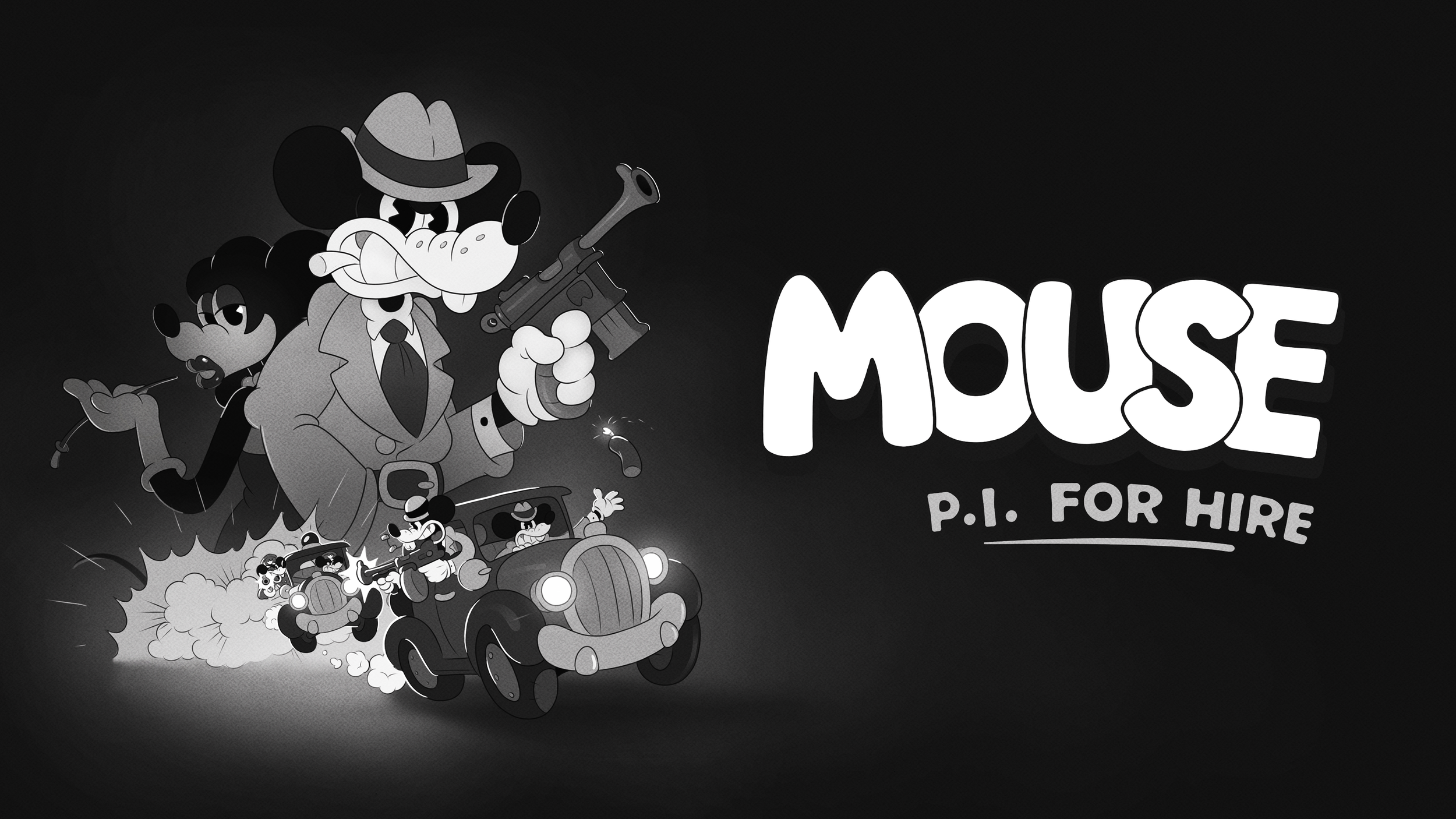
Mouse: P.I. For Hire immediately feels like the kind of game that should not exist in today’s industry climate, which is exactly why it stands out so much. The second the black-and-white visuals hit the screen and the old-school jazz soundtrack starts rolling underneath exaggerated rubber hose animations, it becomes obvious this is not trying to blend in with the endless wave of safe, polished shooters chasing the same trends.
Mouse: P.I. For Hire immediately feels like the kind of game that should not exist in today’s industry climate, which is exactly why it stands out so much. The second the black-and-white visuals hit the screen and the old-school jazz soundtrack starts rolling underneath exaggerated rubber hose animations, it becomes obvious this is not trying to blend in with the endless wave of safe, polished shooters chasing the same trends. It wants to be weird. Stylish. Memorable. And honestly, that commitment alone already makes it more interesting than a lot of bigger-budget games releasing right now.
Playing it on handheld with my ASUS ROG Xbox Ally X especially felt right. There is something about the game’s presentation that almost tricks your brain into feeling like you are carrying around a playable 1930s cartoon serial. The exaggerated animations, elastic enemy movements, oversized reactions, and noir detective framing all come together in a way that feels genuinely refreshing instead of gimmicky. Growing up around reruns of classic cartoons made the visual identity click immediately for me. The game clearly understands the era it is inspired by, but it also knows how to modernize that style into something interactive without losing the charm.
The black-and-white art direction does a lot of heavy lifting, but thankfully the atmosphere goes beyond just visuals. The jazz-heavy soundtrack constantly reinforces the detective vibe, while environmental audio and voice work help sell the illusion that you are walking through some forgotten animated crime world. Every alleyway, office, warehouse, and backstreet encounter feels intentionally designed around that noir aesthetic. Even when levels are fairly straightforward structurally, the atmosphere keeps pulling you forward.
What surprised me most is how well the visual style holds up over time. I originally expected the novelty to wear off after an hour or two, but the game keeps finding little ways to remix its cartoon presentation. Enemy designs, visual gags, environmental interactions, and over-the-top animation sequences keep things lively enough that it rarely starts feeling repetitive visually. That said, there are moments where the monochrome presentation can make certain environments blend together a little too much, especially during longer combat stretches, but it never becomes a major issue.
As an FPS, the game actually feels far more solid than I expected. Weapons have satisfying punch, movement feels responsive, and the combat carries a nice arcade-like rhythm without becoming overly twitchy. The shooting itself is not trying to reinvent the genre mechanically, but it understands pacing well enough to stay engaging. Some weapons lean into exaggerated cartoon absurdity in fun ways, and the game’s animation work helps every encounter feel energetic even when the combat systems themselves remain relatively straightforward.
The detective themes also help separate it from other indie shooters. Exploration matters more than I initially assumed. There are investigation moments, environmental storytelling sections, puzzle-solving beats, and smaller interactive details that help slow the pace down between firefights. It gives the game a personality beyond simply running from arena to arena shooting enemies. Sometimes the investigative mechanics feel a little surface-level, but I appreciate the effort to build an actual noir adventure instead of just using the aesthetic as wallpaper.
Enemy variety is probably where some limitations begin to show. While the animation style keeps encounters visually entertaining, the actual combat scenarios can start repeating themselves after extended sessions. Certain enemy behaviors begin blending together, and the game occasionally relies too heavily on waves of similar encounters rather than introducing meaningful mechanical twists later on. The pacing generally stays strong because levels move quickly, but there are stretches where it feels like the gameplay systems stop evolving before the game itself ends.
Performance-wise, though, I came away genuinely impressed. On handheld, the game feels fantastic. The art style naturally complements smaller screens because the bold visual contrast remains extremely readable even during hectic combat. Controls translated well, frame pacing stayed consistent, and load times remained short enough that the flow of the experience rarely got interrupted. It feels like the kind of game that benefits from being portable, almost like sneaking episodes of an old animated detective series between longer AAA sessions.
On PC and Xbox, the optimization also seems strong overall. The stylized visuals allow the game to look distinctive without demanding absurd hardware requirements, which honestly feels refreshing these days. Stability remained solid throughout my time with it, and I did not run into any major technical issues that pulled me out of the experience. In a gaming landscape where even major releases sometimes launch struggling to maintain stable performance, there is something nice about a creative mid-sized project simply working properly.
What really sticks with me, though, is the personality. So many modern shooters feel terrified of having a distinct identity outside of realism, cinematic storytelling, or live-service hooks. Mouse: P.I. For Hire goes completely in the opposite direction. It embraces absurdity, stylization, humor, and atmosphere without apology. Some moments genuinely made me laugh simply because of how committed the game is to its cartoon logic. There are sequences that feel chaotic in the best way possible, almost like someone blended a noir detective story with a playable animated fever dream.
Not everything lands perfectly. The story itself can feel a little thin at times, and some gameplay systems do not evolve quite enough to fully support the runtime. A few more enemy types, deeper investigation mechanics, or additional environmental interactions could have elevated the experience even further. But honestly, I would rather play an ambitious, creative game with a few rough edges than another technically polished but forgettable shooter chasing trends.
That is ultimately why Mouse: P.I. For Hire feels important in a weird way. Originality still matters. Artistic identity still matters. Smaller creative games can absolutely leave stronger impressions than massive blockbuster releases when they fully commit to a vision.
For players looking for something different, especially fans of noir aesthetics, stylized shooters, or experimental indie projects, this feels like an easy recommendation. It has the energy of a future cult classic and the kind of personality that makes people talk about it long after the credits roll. If it lands on Game Pass eventually, it will probably become one of those games people randomly discover at 1 AM and end up playing for hours.
Score: 8.5/10
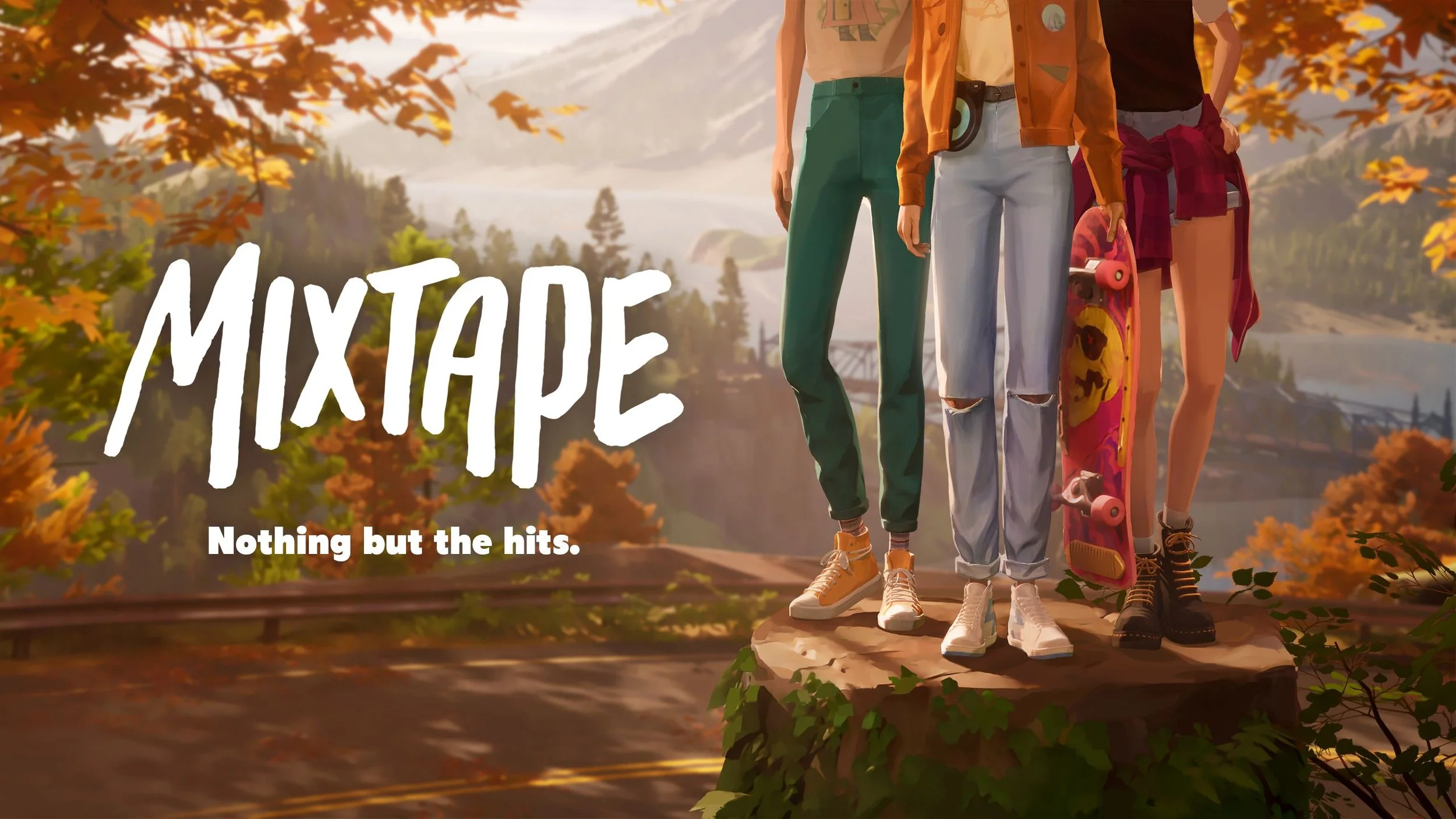
Mixtape Review: A Love Letter to Growing Up Before Everything Went Online
There’s a very specific kind of nostalgia that Mixtape taps into, and if you grew up in the 90s, you’ll probably feel it almost immediately.
Not the forced “remember this?” nostalgia a lot of media leans on today, but something quieter and more personal. Summer nights feeling endless. Discovering music through friends instead of algorithms. Riding around without GPS tracking your every move. Hanging out simply because there was nothing else to do.
There’s a very specific kind of nostalgia that Mixtape taps into, and if you grew up in the 90s, you’ll probably feel it almost immediately.
Not the forced “remember this?” nostalgia a lot of media leans on today, but something quieter and more personal. Summer nights feeling endless. Discovering music through friends instead of algorithms. Riding around without GPS tracking your every move. Hanging out simply because there was nothing else to do.
As someone who grew up during the 90s and early 2000s, Mixtape connected with me less through its plot and more through its atmosphere. It captures that strange space between childhood and adulthood before smartphones and social media permanently changed how people interact with each other and themselves.
And honestly, I think younger generations will never fully understand how different that world felt.
Before social media, moments didn’t exist for an audience. Friendships lived mostly in person. Music discovery felt personal. Boredom forced kids outside instead of into endless scrolling. There was more mystery to people back then because not every thought, photo, or experience immediately became content.
Mixtape understands that feeling surprisingly well.
Presentation & Atmosphere
This is where the game shines brightest.
The visual style has a dreamy, memory-like quality where scenes blend together the way old experiences do in your head years later. The soundtrack does a huge amount of heavy lifting emotionally, but thankfully it never feels like the game is relying entirely on recognizable music to create impact. The songs, visuals, and pacing all work together naturally.
What impressed me most was how cohesive the experience feels. Mixtape commits fully to its tone, and that confidence helps the game stand out in a crowded indie space.
Gameplay
Gameplay is intentionally lightweight, which will probably divide players.
This is absolutely a narrative-first experience. The mechanics mainly exist to support the emotional pacing and atmosphere rather than provide deep systems or difficult challenges. Personally, I think that works in the game’s favor.
The game moves between cinematic sequences, exploration, and smaller interactive moments that help keep things engaging without overstaying their welcome. Some gameplay sections feel genuinely creative when paired with the soundtrack, although a few moments feel more passive than interactive.
At around four hours long, though, the game avoids dragging things out unnecessarily.
Story & Writing
The writing works because the characters feel believable together.
The dialogue captures the awkward, messy energy of teenage friendships well without trying too hard to sound profound. Themes around friendship, growing up, memory, and identity sit at the center of the experience, but the game handles them with restraint instead of melodrama.
Some of the strongest moments are actually the quieter ones where the music, atmosphere, and silence do most of the storytelling.
Performance & Verdict
I played Mixtape on my ROG Ally X via Game Pass, which honestly felt like a perfect fit for this kind of game. Performance was smooth throughout my playthrough with quick loading and no technical issues.
Mixtape won’t connect with everyone equally, but for players who grew up before the internet became the center of everyday life, there’s a good chance this game resonates on a deeply personal level.
Not because it’s chasing nostalgia, but because it understands what made those years feel special in the first place.
It’s absolutely worth experiencing, and also my Game Pass game of this week.
Score: 9.5/10
Replaced
Going into REPLACED, the biggest question was whether the game could be more than just another visually impressive indie side-scroller. After around 15 hours played on the Xbox Ally X, it absolutely delivers — especially if you enjoy cinematic action games built around atmosphere and responsive combat.
Going into REPLACED, the biggest question was whether the game could be more than just another visually impressive indie side-scroller. After around 15 hours played on the Xbox Ally X, it absolutely delivers — especially if you enjoy cinematic action games built around atmosphere and responsive combat.
The first thing that stands out is how good the combat feels. Attacks have weight, movement stays responsive, and fights rarely turn into mindless button mashing. There’s a smooth rhythm to encounters that keeps the gameplay engaging without becoming overly complicated. On a handheld especially, the game just feels right. Honestly, REPLACED feels like the kind of side-scroller that was meant to be played portable, and the Xbox Ally X ended up being a perfect fit for it.
Visually, the game is gorgeous. The mix of detailed pixel art and modern lighting gives the world a layered cyberpunk look that constantly grabs your attention without feeling overdesigned. Even quieter moments have a strong sense of style and atmosphere. One of the standout moments comes later in the game during a fight sequence across moving train cars that genuinely felt like something out of The Matrix. It’s the kind of cinematic set piece that sticks with you after the credits roll.
The story also surprised me in a good way. It stays intriguing without overexplaining itself, and the world-building gives you enough reason to keep pushing forward. It’s not trying to reinvent storytelling, but it keeps the momentum going throughout the experience.
Performance on the Xbox Ally X was solid overall. Since launch, the developers have also done a good job supporting the game with updates, including bug fixes and quality-of-life improvements like chapter selection options for going back to retrieve missed items. That addition alone makes exploration feel much less punishing for completion-focused players.
What also says a lot about the game is that even though it was available through Xbox Game Pass, I ended up buying it anyway. After spending enough time with it, this became one of those games I genuinely wanted to own rather than just sample.
The game does have a few weaknesses. Enemy variety could be stronger over longer sessions, and some moments lean a little too hard into presentation over gameplay depth. Players wanting deep RPG systems or highly complex combat customization may come away wanting more mechanically.
Still, REPLACED succeeds because it understands exactly what it wants to be: a stylish, atmospheric action game with tight gameplay and incredible visual presentation.
Score: 9/10
If you enjoy cinematic side-scrollers, responsive combat, and strong visual design, this is an easy recommendation — especially on a handheld.