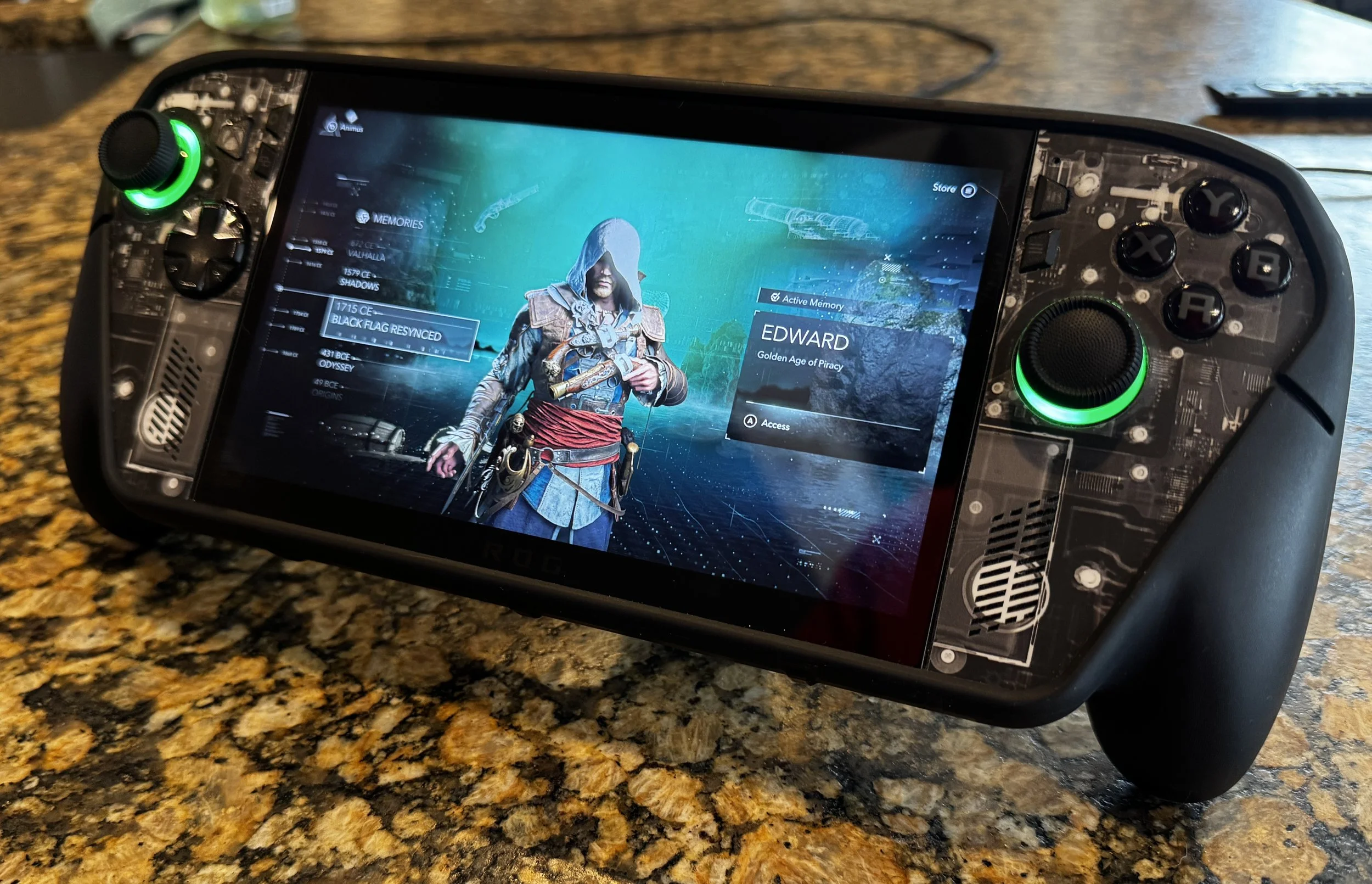
Assassin’s Creed Black Flag Resynced Review: A Timeless Classic Refined for a New Generation
Some games are products of their time. Others somehow manage to outlive the era they were created in. Assassin’s Creed Black Flag Resynced reminds us that truly great games don’t lose their magic—they simply wait for the right moment to be rediscovered. In a year packed with ambitious new releases and technical showcases, returning to Edward Kenway’s pirate adventure has been one of the most refreshing gaming experiences of 2026.
Rather than reinventing what made Black Flag special, Resynced enhances it. The improved lighting immediately makes the Caribbean feel warmer and more alive, while sharper textures, richer foliage, more detailed environments, and upgraded weather effects breathe new life into every island and coastline. The ocean, already one of the original game’s greatest technical achievements, looks spectacular. Sunlight dances across the waves, storms feel more dramatic, and sailing between destinations has never been more immersive.
What’s impressive is that none of these visual upgrades come at the expense of the game’s identity. This still feels like the Black Flag so many players fell in love with years ago. The atmosphere, art direction, and sense of adventure remain intact—just presented through a cleaner, more modern lens.
Perhaps the biggest surprise has been how perfectly Black Flag Resynced fits into today’s gaming landscape. After spending months playing some of 2026’s biggest blockbuster releases, this has become the ideal palate cleanser. Modern games often chase larger maps, more progression systems, countless currencies, battle passes, seasonal content, and endless checklists. Black Flag takes a far simpler approach. It gives you a ship, an enormous world worth exploring, and trusts that you’ll create your own adventure along the way.
That confidence in its design is exactly why the game continues to hold up.
Sailing the Jackdaw remains every bit as satisfying as it was years ago. Spotting an enemy ship on the horizon, deciding whether to engage, softening it up with cannon fire before boarding it, and claiming your reward never gets old. Naval combat still feels unique, rewarding, and surprisingly tactical without becoming overly complicated. Even now, few games capture the fantasy of commanding a pirate ship quite like Black Flag.
Exploration is equally rewarding. It’s almost impossible to sail directly toward your next story objective without something pulling your attention elsewhere. A mysterious island appears on the horizon. A treasure map leads somewhere unexpected. A naval battle erupts nearby. A collectible catches your eye. Before long, what was supposed to be a quick trip has turned into another memorable adventure.
That’s one of Black Flag’s greatest strengths. Exploration feels organic rather than manufactured. The world encourages curiosity instead of demanding completion, making every discovery feel earned instead of assigned.
Of course, none of this would matter if Edward Kenway weren’t such a compelling protagonist.
Among the many Assassins and Templars the series has introduced, Edward remains one of its most memorable leads because he doesn’t begin as a traditional hero. He’s ambitious, reckless, selfish, charming, and driven by personal gain more than ideology. Watching that personality gradually evolve gives the story emotional weight without sacrificing the humor and swagger that make him so entertaining. Even years later, Edward stands as one of Ubisoft’s finest protagonists.
Black Flag also benefits from pacing that feels refreshingly restrained. Instead of overwhelming players with constant tutorials or layered progression systems, it simply opens the world and lets the adventure unfold naturally. Whether you’re following the main story or ignoring it for hours while exploring the Caribbean, the experience rarely feels like it’s wasting your time.
That isn’t to say the game is flawless.
Some mechanics naturally reveal the game’s age. Parkour animations occasionally lack the fluidity found in newer Assassin’s Creed titles, certain stealth missions can feel restrictive, and a handful of mission objectives reflect design philosophies that have largely disappeared from modern open-world games. They’re noticeable, but they’re also relatively minor. None of these issues are significant enough to overshadow what Black Flag continues to do exceptionally well.
More importantly, these aren’t problems caused by Resynced. They’re simply reminders of when the original game was designed.
It’s also worth emphasizing that this isn’t merely nostalgia at work. Plenty of beloved classics become difficult to revisit because design conventions evolve. Black Flag isn’t one of them. Its core gameplay loop remains remarkably engaging because it’s built around systems that are still enjoyable today. Sailing, exploring, naval combat, treasure hunting, and discovering new locations continue to create a satisfying rhythm that feels just as compelling now as it did when the game first launched.
That’s the hallmark of timeless game design.
Assassin’s Creed Black Flag Resynced proves that classics don’t always need to be rebuilt from scratch. Sometimes all they need is thoughtful modernization that respects the original vision while allowing it to shine on today’s hardware. The visual enhancements make one of Ubisoft’s greatest adventures even more beautiful, but it’s the exceptional gameplay, unforgettable world, and charismatic lead that continue to carry the experience.
Whether you’re returning to the Caribbean after years away or setting sail with Edward Kenway for the very first time, this remains one of the finest adventures the Assassin’s Creed series has ever delivered. In a gaming landscape constantly chasing the next big thing, Black Flag Resynced is a welcome reminder that some adventures never stop being fun.
Score: 9.5/10
Assassin’s Creed Black Flag Resynced earns a 9.5/10 because it successfully enhances one of the greatest Assassin’s Creed games ever made without compromising what made it special. While a few mechanics understandably reflect the era in which the original was created, the visual upgrades, outstanding naval gameplay, unforgettable Caribbean setting, memorable protagonist, and timeless sense of adventure make this one of the easiest recommendations of 2026. It’s proof that great game design never goes out of style.